Responsible realist
Overview
People with ISTJ preferences are dependable and systematic. They enjoy working with clearly defined systems and processes. They tend to be traditional, task-oriented, and decisive.
Characteristics
Strengths

Loyalty is very important to people with ISTJ preferences. They usually have a strong sense of responsibility to their family, friends, and employers.
Here are some common characteristics of people with ISTJ preferences:
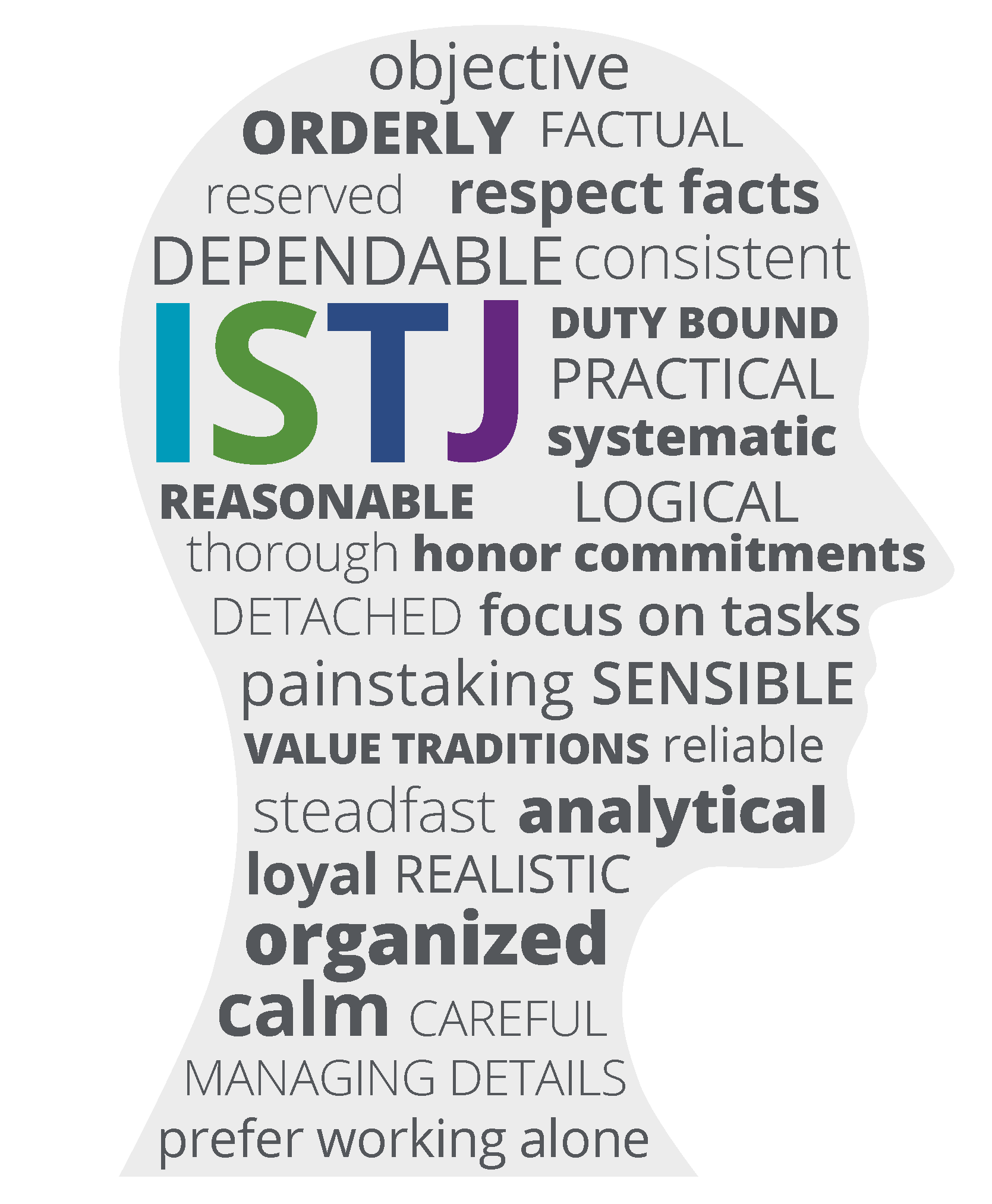
Conscientious—You can depend on them to do what they say they will (and do it on time).
Efficient—They approach tasks in an organized way to get things done quickly and easily.

Practical—They focus on what's achievable.
Logical—They're objective in the way they give feedback, their approach to problems, and their decision-making.
Traditional—They're rule-conscious and process-driven. They respect the way things have been done in the past and like to make sure things continue to get done properly.
Interesting facts about ISTJs

ISTJ is by far the most common of the 16 MBTI® personality types. Almost 16% of the global population identifies as ISTJ.
Hobbies and interests

People with ISTJ preferences tend to take a serious, planful approach to their hobbies. They like to spend their spare time alone. They generally prefer leisure activities that have purpose and real, measurable outcomes.

They may enjoy:
Strategic or knowledge-based board games, such as chess or Trivial Pursuit.
Video games.
Watching sporting events.
Skilled individual sports, such as golf or table tennis.
Stretches

Stretches are potential development areas we might miss based on our personality preferences. Awareness of possible stretches or vulnerabilities can be helpful for personal or professional development and improve our relationships with others.

Tap a development area for quick tips from our MBTI<sup>®</sup> experts.
People with ISTJ preferences might:
Overlook the long-term consequences of their actions.

Know someone who does this? Try asking questions to encourage them to focus on the future.
For example, how will their decision influence their long-term plans? At work, how might their decision affect ongoing projects, the organization, or their own goals?
Lists or diagrams may also help someone with ISTJ preferences organize their thoughts.
Forget to chat or ask other people how they are.

You can often help someone with ISTJ preferences remember to chat by asking specific questions about subjects that interest them or projects they’re involved in.
Avoid change or innovation, even if it’s necessary.

People with ISTJ preferences may find it helpful to discuss new ideas with friends or colleagues who can help them see benefits they hadn’t considered.
At times of change, they may prefer to have the time and space to think things through on their own before sharing their views with others.
Have difficulty trusting other people to follow a process or do a job correctly.

Know someone who does this? Try suggesting a results-focused approach. Although other people complete tasks differently, they may still get similar results.
How others see you

At your best, other people tend to see you as quietly sociable.
You bring a calm and consistent approach to your work—whether working independently or with others as part of a team.
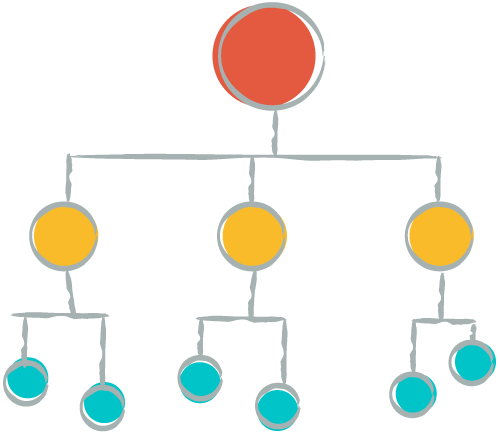
Others usually see your:
High standards
Strong values
Need for structure
You tend to share your observations and memories with only your closest friends. Others might not experience your unique, often funny, reactions to the world around you.
Careers

People with ISTJ preferences are generally thorough, systematic, and hardworking.
They’ll usually:
Have a lot of respect for facts and details that fit their interests and experience.
Prefer information and ideas to be communicated clearly and accurately, in a structured way that is easy for them to follow.
Want time and space to reflect on and take in anything new.
Focus on practical uses of their knowledge and experience.

They tend to work best when they know what’s expected of them. They like to be responsible for their own actions and achievements.
They’re comfortable working in groups when it makes sense to—as long as everyone’s roles and responsibilities are clear.
They can probably recall detailed information easily and may enjoy reliving past experiences.
Popular occupations

Popular occupations for people with ISTJ preferences include:
Banker
Human resources
Accountant
Insurance agent
Management
Project manager
Computer programmer
Systems developer
Military
Law enforcement
Career trends

ISTJs are drawn to careers that emphasize the bottom line. They don’t typically like jobs that are conceptual or ambiguous, which is why you’ll find a lot of ISTJs in the fields of health care, business, finance, insurance, and the military.
Leadership style

In leadership or management roles, people with ISTJ preferences are likely to:
Respect traditional ways of working and hierarchical structures.
Use facts and experience to make decisions.
Reward colleagues who follow the rules and get the job done.
Focus on the immediate, practical needs of the organization.
Approach to teamwork

ISTJs are good team players, provided they know their role and what is expected of them. They prefer clear, concise instructions and direct communication between team members. Their main priority is to get the job done well.
While they appreciate the social elements of teamwork, ISTJs dislike too much small talk. They tend to be hard on others it they suspect them of slacking or not pulling their weight.
Problem-solving approach

When trying to solve a problem, people with ISTJ preferences will usually focus their energy on:
Gathering as many facts and as much information as possible.
Examining the logical consequences of their actions.
They don’t usually spend as much time or energy:
Considering the feelings of the people involved.
Looking into other possible solutions.
Preferred working environment

People with ISTJ preferences tend to value:
Hardworking colleagues who are good at what they do.
Long-term job security.
Systematic or routine tasks to focus on.
A quiet and orderly workplace, with privacy for uninterrupted work.
Remote working tips

Remote working tips for people with ISTJ preferences:
Use your experience to design a practical home working routine.
Establish a dedicated home office space or working area that you can keep quiet and free from interruption.
Create a daily schedule that balances work tasks with household chores.
Make sure you have all the tools and systems you need to work remotely. Ask for training if you need it.
If you don’t get a response to an important email or IM, follow it up. Not everyone checks notifications as thoroughly as you do.
Relationships

People with ISTJ preferences are typically drawn to traditional relationships. They like to have a solid foundation of reliable people in their lives. Others appreciate them because they are considerate, dependable, and reliable, especially during difficult times.
Conflict

ISTJs see conflict as part of life. Rather than spending a lot of time talking about their feelings, they’ll usually attempt to resolve a conflict as soon as possible so that both parties can move on with their lives.
If you have ISTJ preferences, you can minimize conflict in your relationships by:
Addressing the conflict directly, but taking care that you don’t come across as cold or overly critical. Take steps to make sure the other person feels heard.
Trying to see the situation from the other person’s perspective. Although you might have a hard time understanding or empathizing with different views or beliefs, it’s an important skill when you’re trying to foster good relationships.
Not focusing too much on similar conflicts from the past. While it’s important to learn lessons from past experience, drawing too many conclusions based on the past could lead you to approach a conflict in an inaccurate or unhelpful way.
Friendship

ISTJs enjoy socializing with a trusted group of friends. They often maintain friendships for most of their lives. They find comfort in surrounding themselves with people who have similar lifestyles and who they’ve known for a long time.
As friends, ISTJs tend to keep their promises and follow through on agreed plans. They always show up when a friend needs them.
Love

ISTJs are somewhat traditional when it comes to love. They tend to look toward the future with anyone they date seriously. They value partnership as an important aspect of a fulfilling life, and they will be loyal and dedicated to their significant other.
ISTJs are consistent and direct about their feelings, and they expect the same treatment in return.
Parenting

The MBTI framework can be very helpful when it comes to raising children. Knowledge of your own communication habits, stress triggers, and preferences often makes parenting easier. By integrating an awareness of differences into family life, the whole family can benefit from these insights.
ISTJs tend to value traditional parent–child relationships and expect their children to treat them with respect. But they are caring and supportive too. They’ll likely use the same parenting techniques their own parents used.
Parents with ISTJ preferences are likely to feel stressed if their children act with disrespect or embarrass them in front of other people.
If you have ISTJ preferences and you think your child shares your Sensing and Thinking preferences, this can help you to understand how your child takes in information and makes decisions—both of which are important for how you communicate as a parent. If you think your child’s preferences are different than yours, self-awareness will help you to change your communication and parenting style to better suit those preferences.
Stress and resilience

Different people tend to get stressed by different situations. We also tend to react to stress differently.
Here are some of the things that people with ISTJ preferences may find stressful:
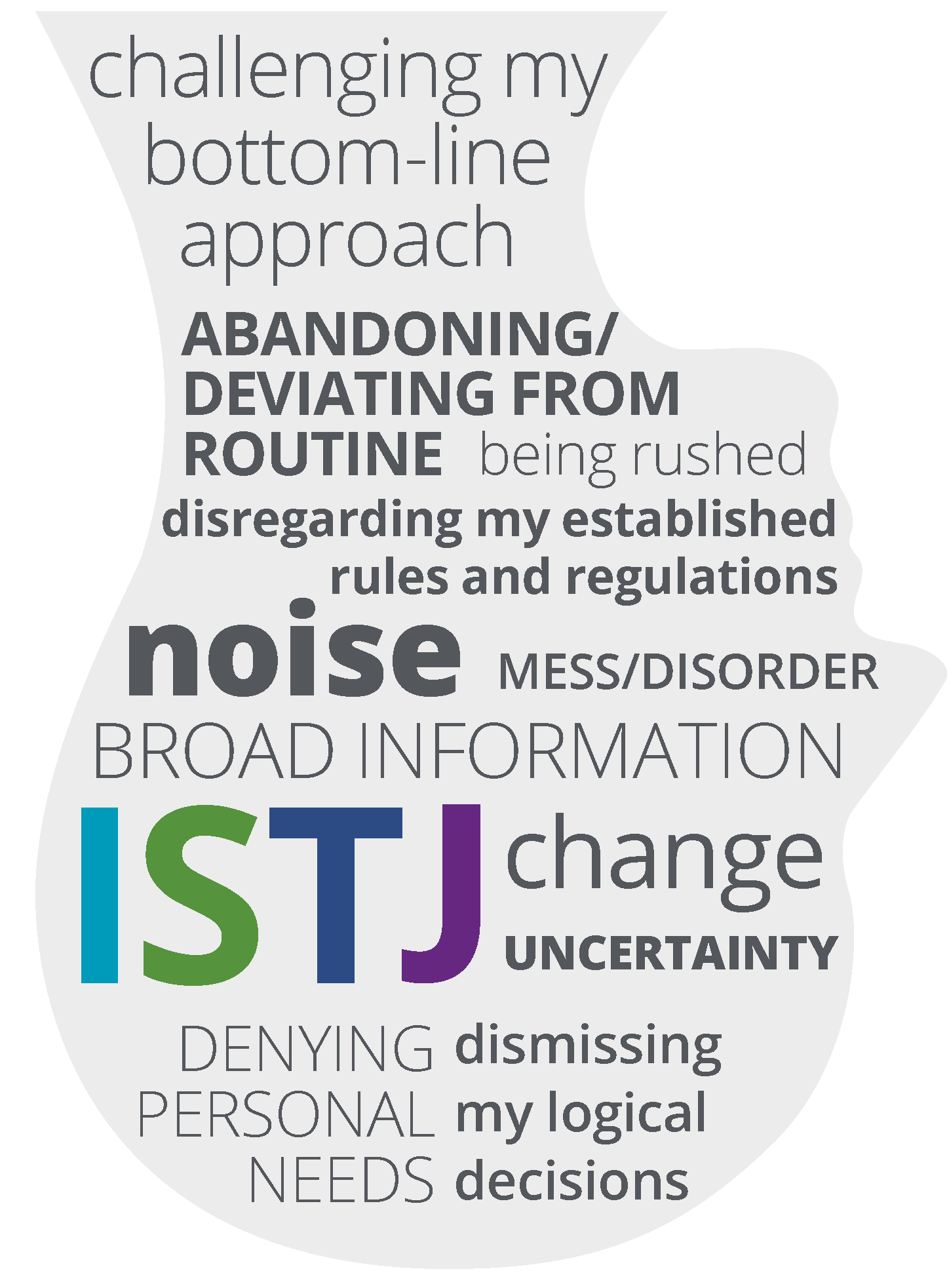
When they’re stressed, people with ISTJ preferences are likely to:
Fixate on specific facts or details.
Get distracted easily.
Have difficulty making progress or moving on to the next task.
At times of extreme or prolonged stress, they may start to behave uncharacteristically. They might:
Withdraw from other people.
Make impulsive or irresponsible decisions.
Catastrophize—imagining increasingly negative possibilities for the future.

To help someone with ISTJ preferences recover from stress, allow them time to talk. Try to take their concerns seriously, even if they don’t seem serious to you!
Managing stress

If you have ISTJ preferences, try these simple strategies to balance your feelings during times of stress:
Remind yourself that it’s OK to do things differently from time to time. It may be helpful to try a new technique.
Challenge yourself to learn something new from a friend or colleague. This keeps your mind sharp and will help you manage stress when new situations arise.
Remind others of your boundaries. If you can’t accommodate a new routine or change your schedule, that’s OK. Send calendar invites, block off portions of your day for uninterrupted work, and politely decline suggestions from others if you prefer your own approach.
How does ISTJ compare?
See how ISTJ relates to any other type side by side.
Compare ISTJ